My elder brother had a significant influence over my tastes in music (especially) and reading when I was growing up. I remember being in my Agatha Christie 'phase' when I was about twelve years old and eyeing off A's big yellow Penguin book with a foreign name in the title and a humorous caricature on the cover. I wondered why it held his interest and why I heard him laughing so often from his room when he was reading.
It took me a couple of years before I discovered for myself the pleasures of Jaroslav Hašek's unfinished satirical masterpiece, 'The Good Soldier Švejk' (pronounced: shvayke). It had begun life among a series of humorous short stories published just prior to World War One but was expanded by many orders of magnitude towards the end of Hašek's life. In the early 1920s, serial excerpts appeared in magazines, but the definitive version of his magnum opus was published posthumously in 1923, after Hašek had succumbed to tuberculosis.
That Hašek (1883-1923) was from Bohemia was entirely appropriate. If ever there was a fellow that deserved the descriptor, bohemian, it was he. Anarchist, wanderer, journalist, soldier, bigamist, political absurdist, practical joker, artful dodger and non-conformist doesn't even begin to scratch at the surface of this Czech eccentric's unique character.
Many of these traits found their way into the persona of Hašek's great protagonist of modernist literature, the guileless and bumbling (or is it brilliant and subversively crafty?) Josef Švejk. He appears to be so over the top enthusiastic in his desire to serve the Austro-Hungarian state at the outbreak of World War One - the book's opening - that noone he encounters can decide if he is intent on sabotaging the war effort with a flamboyant masquerade of pedantic literalness, or whether he's merely a fool with a penchant for storytelling.
At its most basic, 'The Good Soldier Švejk and His Fortunes in the World War' deploys the peculiar characteristics of its eponymous everyman star to highlight the folly of war and the absurdity of bureaucratic imperialism. It is also a tour de force in terms of language (yet still very accessible), occupying its own place in the pantheon alongside epic tales from the likes of Rabelais and Cervantes. In literature, Švejk is to WWI what Yossarian (from Joseph Heller's 'Catch-22') is to WWII. Švejk is in fact the progenitor of the latter; Heller admitted that his own creation would not have come about had he not discovered Hašek's book.
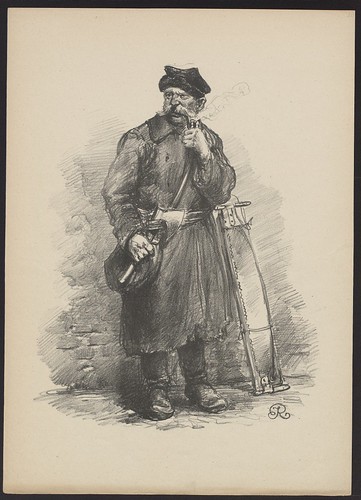
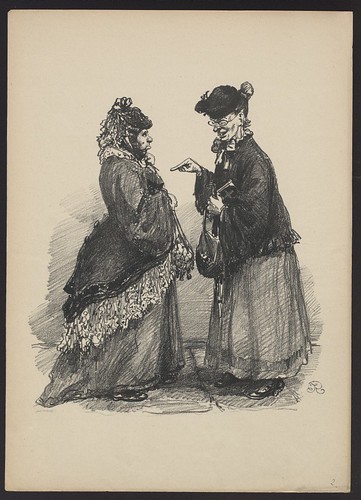
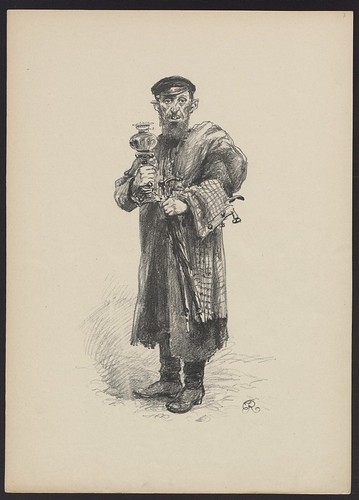
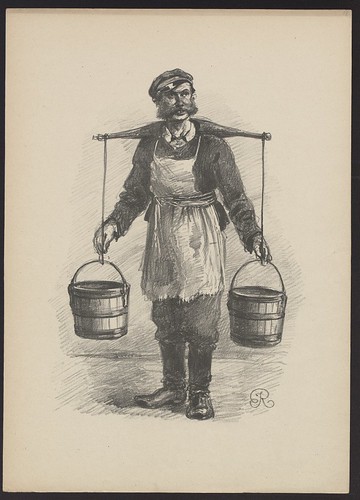
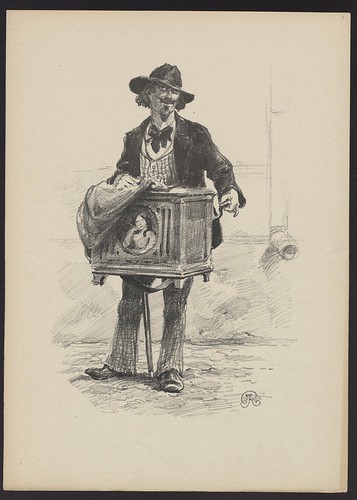
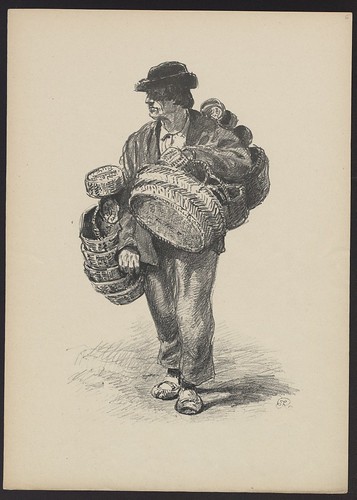
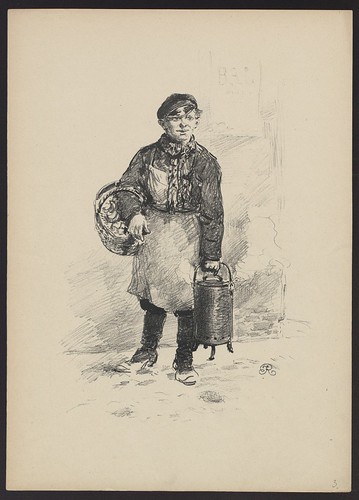
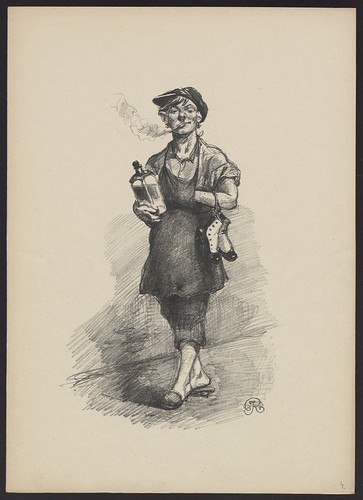
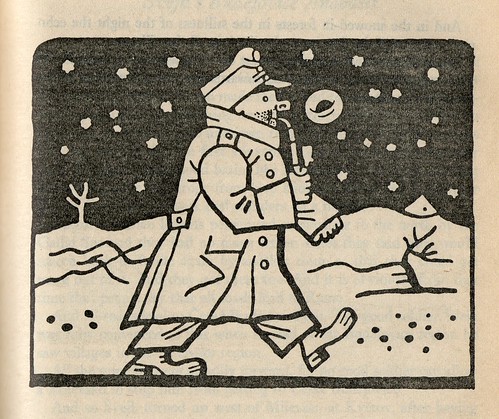
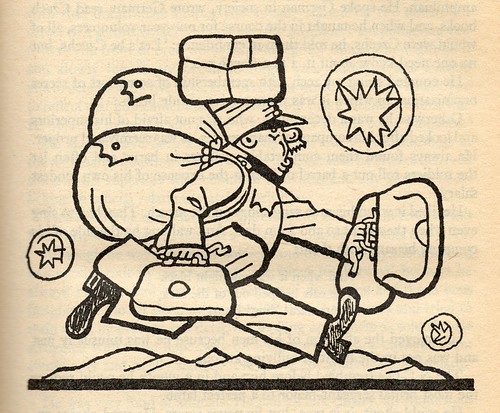
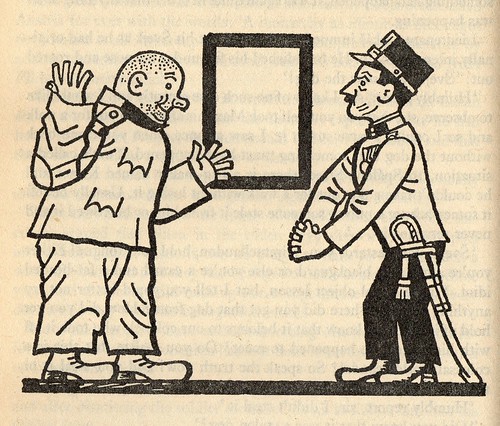
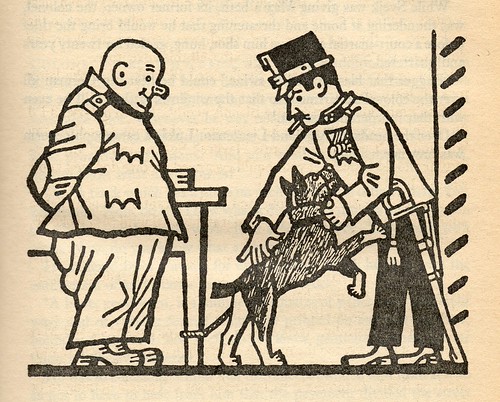
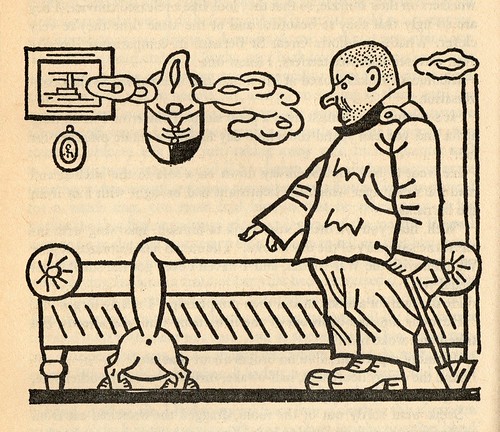
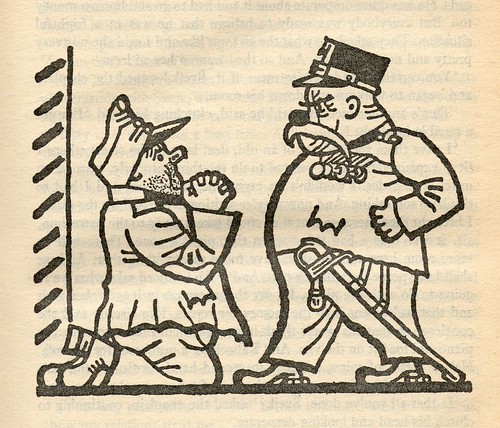
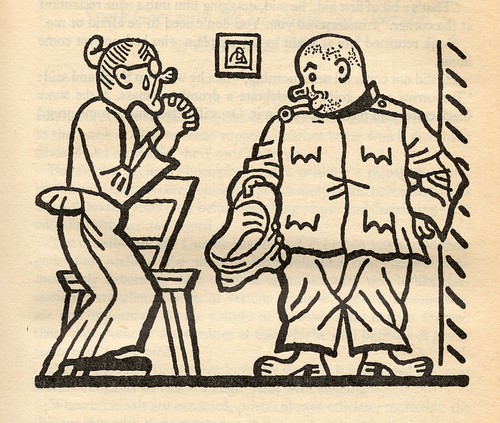
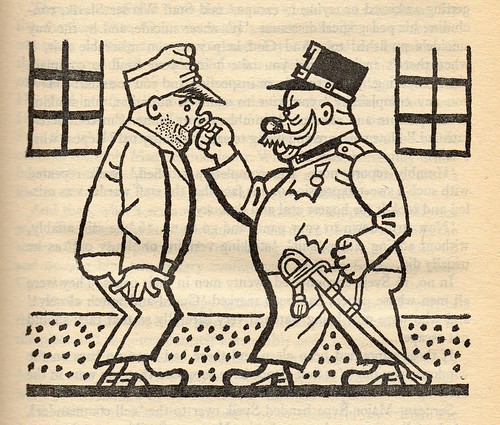
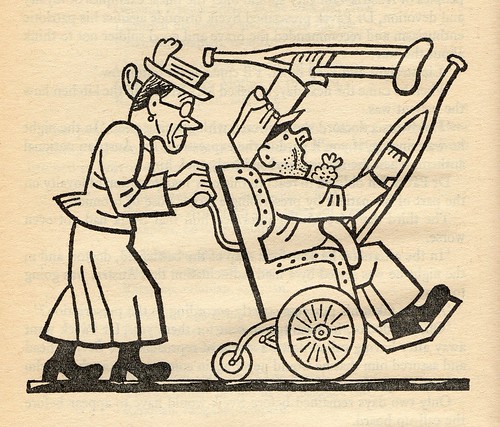
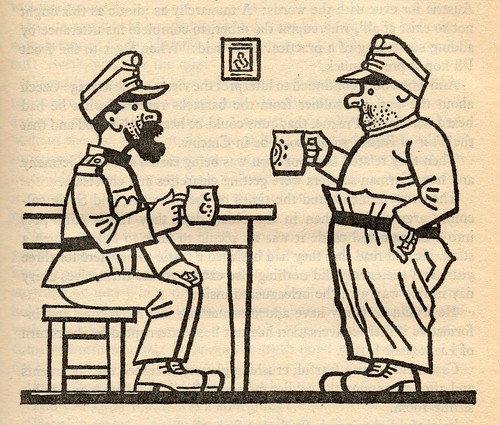
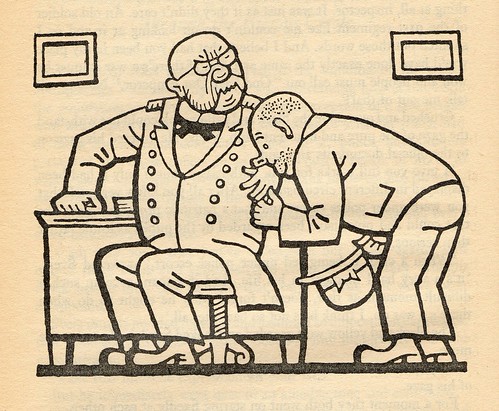
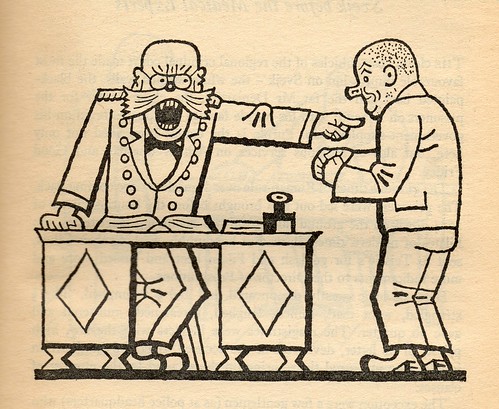
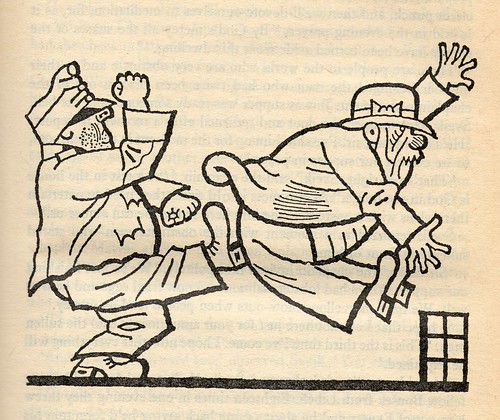
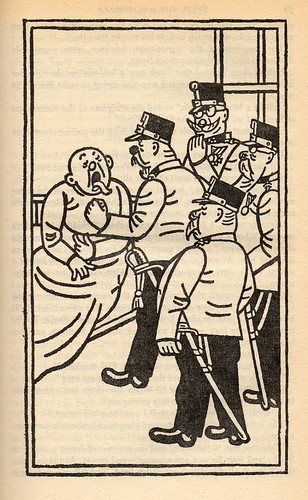
"‘Great times call for great men,’ Hašek explains in a brief, ironic preface, but goes on to state that ‘the great’ are the reverse of those who act with the precise intention of having their names in the history books. He describes his hero Švejk as ‘heroic and valiant’. But Švejk performs no actions which those two words are typically used to describe. It becomes clear that Hašek, by means of his enigmatic hero, is attempting to redefine certain key values. Švejk comes to be seen as a ‘good soldier’ in political rather than military terms because his stubborn incompetence has the effect of destabilizing and exposing the absurdities of imperial rule. The implication is that the form of political disruption adopted by people like Švejk – complete resistance which takes the form of utter compliance – has been instrumental in the post-war liberation of the Czechoslovak people after four centuries of imperial domination.Hašek had met the illustrator Josef Lada [previously] but he was never to see the wonderfully adroit, thick lined caricatures that were commissioned in 1924 (and after) and which have become a visual shorthand and personality extension for the novel itself. I have never been to the Czech Republic but I gather that Lada's Švejk remains a popular and widespread motif (eg.).
There is a curious contradiction, then, between the imputed historical importance of Švejk’s actions and the seeming imbecility of those actions themselves. The problem is resolved if we remind ourselves that Švejk is not a conscious political actor. The historical effect of his actions has nothing to do with a wish on his part to be historically effective. Švejk’s main motive is personal survival. But the wish to stay alive is by definition counter to the army’s need for willing cannon fodder. Švejk is thus a thoroughly destructive spanner in the works. Nothing proceeds smoothly when he is present. Even the story, of which he is the hero, cannot progress because he keeps dragging it down the cul-de-sacs of his interminable anecdotes." [Macdonald Daley]
There have been a number of books in my life that have provided rewards beyond the obvious reading pleasure. I've always tried to keep on hand pristine copies of Plato's 'The Symposium', Ben Okri's 'The Famished Road' and Hašek's 'The Good Soldier Švejk' (among a few others), because it's so enjoyable matchmaking amazing - to me anyway - reading material with potentially like-minded people who have not come across the books before. The after-smile makes it all worth it of course.
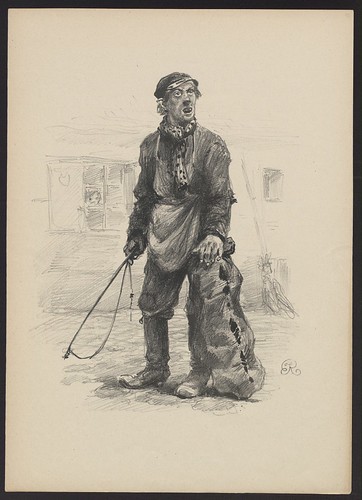
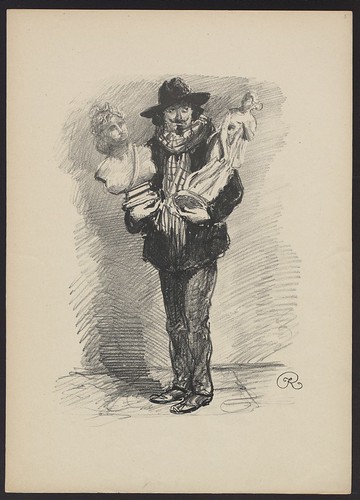
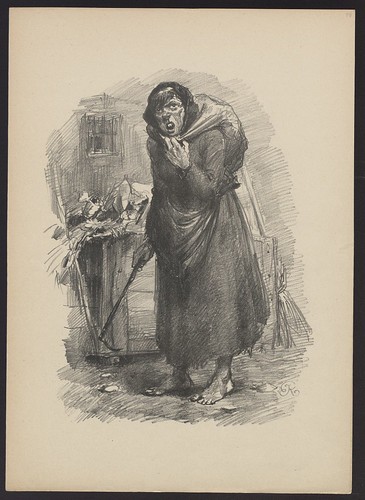
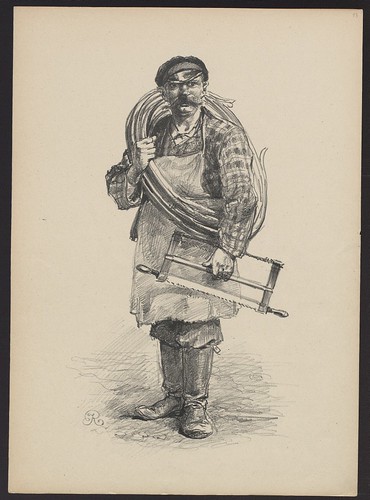
But on this occasion, I'm going to have to get myself a new 'Švejk' because flatbed scanning one third of the book's illustrations has left my decade old copy in several pieces and very far from pristine. There are fifty three illustrations in total in this set - the image title scan numbers are sequential with their order in the book - scanned at 600dpi (overkill for such bold line drawing, I guess, but it gives good quality and very large image files as a result, so there's that) [the illustrations are not in book order above]. Now that I've got a disarticulated book that's perfect for scanning, I may continue with the venture somewhere along the line in the future. [note to self: last scan from p.267]
- The best Švejk site: Švejk Central.
- Dr Jan Culik on Jaroslav Hašek.
- 'The Good Soldier Švejk and His Fortunes in the World War' translated (and introduction by) Cecil Parrott.
- Some Josef Lada links in the previous post.
- wiki/wiki, if you must.